Spring planning for community solar and shared batteries: what changed this year
Spring is a natural moment to review energy options, and this year’s programs for community solar and shared batteries have clearer enrollment timelines, new renter access, and smarter price structures. If you’re weighing enrollment this spring, use a simple framework to compare programs, understand costs, and anticipate sign-up to energy delivery. This guide covers how community solar and storage work, the key trade-offs, and practical steps to enroll.
Cost considerations for community solar and shared batteries
Understanding cost is the backbone of a solid enrollment decision. With community solar and shared batteries, you’re paying for a portion of a larger project and, in some cases, storage that smooths delivery. Billing and savings vary by program.
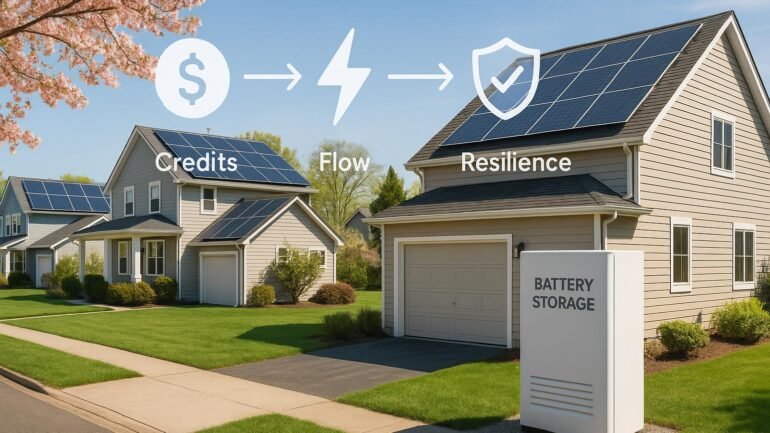
- How savings are credited: most programs offer on-bill credits or bill reductions based on the solar energy allocated to your subscription. Some markets also provide upfront rebates or incentives that reduce the effective rate.
- Upfront vs ongoing costs: some programs require little to no upfront cost and rely on ongoing monthly subscriptions, while others offer ownership options with higher initial commitments but longer-term credits.
- Fees to watch: administrative fees, interconnection charges, or program management fees can erode savings if not clearly disclosed. Also check minimum term length and early-cancellation penalties.
- Price protections: ask whether the program has a cap on rate increases or a fixed term. If prices can rise, you’ll want to know how much and how often.
- Impact of shared batteries: when batteries are included, you may see additional credits tied to storing or discharging energy during peak hours. Understand whether those credits are guaranteed or variable.
Practical tip: create a simple side-by-side comparison sheet for each program you’re considering. List the monthly subscription, any upfront costs, expected bill credits, and the duration of the commitment. This makes it easier to compare “apples to apples” and see which option truly reduces your electricity spend over time.
Access for renters and condo or co-op dwellers
Access is a growing feature of community solar and a critical factor for renters and multi-unit buildings. In many regions, programs let you participate without owning the property. Access and terms can vary by provider, contract, and local rules.
- Virtual net metering and subscriptions: many programs let you subscribe through the utility or a program administrator, with credits appearing on your electricity bill regardless of property ownership.
- Landlord and HOA considerations: some programs require landlord consent or have HOA restrictions. If you rent or live in a condo, check lease or building rules for participation and any transfer requirements when you move.
- Eligibility limits: certain programs cap participation by address, income tier, or household size. Confirm you qualify before enrolling.
- Transferability of credits: if you move, ask how credits transfer or how you can port your subscription. Some programs allow easy transfer; others may require a new enrollment.
- Shared batteries as access enablers: batteries can improve reliability for renters, but terms vary. Verify whether storage is included and how credits are calculated for stored energy.
Practical tip: if you rent, check with your building manager or HOA about their stance on community solar and shared batteries, then compare renter-friendly programs with clear transfer policies.
Reliability benefits of community solar and shared batteries
Reliability is a key benefit often overlooked in favor of cost alone. Combining community-scale solar with shared batteries can provide more stable energy delivery, even during peak demand or grid disturbances.
- Smoothing daily peaks: batteries store energy produced during the day and release it during evening peaks, helping reduce voltage variations and outages in the local grid.
- Backup-style resilience: storage is not a full home generator, but it can offer a more reliable baseline during outages or grid stress, especially for essential circuits defined by the program.
- Dependability for renters: well-designed programs can deliver predictable energy costs and service quality for renters who don’t have rooftop solar.
- Grid benefits: shared storage supports grid stability by reducing peak-time fossil generation, lowering system-wide emissions, and boosting resilience in communities.
Keep in mind: the reliability impact depends on program size, battery capacity, and local grid conditions. If reliability matters most, ask providers for average outage protection, duration of stored energy, and any guarantees on delivery during peak events.
Practical steps to evaluate and join a program this spring
This step-by-step plan helps you evaluate programs and enroll this spring, with a clear timeline from sign-up to energy delivery and practical checks along the way.
- Step 1: Define your goals
- Is your priority cost savings, access as a renter, reliability, or a mix?
- How long do you plan to stay in your current residence?
- Step 2: Gather your energy profile
- Collect your recent utility bills, current rate structure, and average monthly consumption.
- Note any time-of-use rates or demand charges that could affect savings.
- Step 3: Identify programs in your region
- Look for community solar and shared batteries programs offered by your utility or third-party program administrators.
- Check eligibility rules, virtual net metering support at your address, and storage inclusion.
- Step 4: Create a comparison checklist
- Cost model: monthly subscription, upfront fees, credits.
- Term length and renewal terms.
- Transferability if you move.
- Storage options and how credits are calculated for stored energy.
- Billing visibility: will credits appear clearly on your electric bill?
- Step 5: Interview providers with targeted questions
- How are credits calculated and when do they start?
- What happens if the program is discontinued or utility rates change?
- Are there minimum stay requirements or cancellation penalties?
- Is there weather-related risk to credits, such as low sun in winter?
- If storage is included, how is discharge scheduled and are there guarantees on performance?
- Step 6: Review contracts carefully
- Read termination terms, transfer policies, and penalties.
- Look for hidden fees, service-level guarantees, and performance metrics.
- Ensure a clear process to report issues or outages and a defined contact channel.
- Step 7: Sign up and track delivery
- After enrollment, monitor when credits begin on your bill and compare consumption against the allocation.
- Expect a short interconnection or activation window as the program links to the utility and billing system.
- Use program dashboards or monthly statements to measure savings and reliability benefits.
- Step 8: Plan for spring timelines
- Enrollment windows are seasonal, with typical lead times of 4–12 weeks from application to active credits.
- Storage programs may require a utility interconnection; ask for estimated timelines if storage is included.
- If you expect to move soon, confirm whether the contract can be transferred or canceled without penalty.
Tip: Build a personal checklist and set reminders for key dates such as enrollment deadlines, activation dates, and first billing cycle.
What to expect from sign-up to energy delivery
- Enrollment timing: in many regions enrollment occurs within weeks, followed by a confirmation period before credits appear on your bill.
- Activation: after interconnection approval, credits often begin in the next billing cycle; some programs start in phases when storage is involved.
- Ongoing experience: expect monthly statements or online dashboards showing credits, storage credits, and total bill impact. For renter-friendly programs, credits should appear on your existing bill.
- Support and changes: if solar production varies with seasons or if utility rates change, credits may adjust. Contact support if you see discrepancies.
A framework for comparing programs
- Focus on total monthly impact (credits minus fees) rather than advertised savings.
- Consider access and transferability for renters or non-owners.
- Prioritize programs with transparent terms, clear storage capabilities, and reliable customer support.
- Remember broader goals: reducing emissions, improving grid resilience, and expanding local energy access.
In summary, spring planning for community solar and shared batteries is about clarity, access, and practical steps. By evaluating cost structures, renter accessibility, reliability benefits, and a structured enrollment process, you can choose a program that aligns with your goals and schedule this spring. Start with a short list of programs in your area, gather recent bills, and define your top three goals for this season—cost, access, or reliability—to guide your choice.