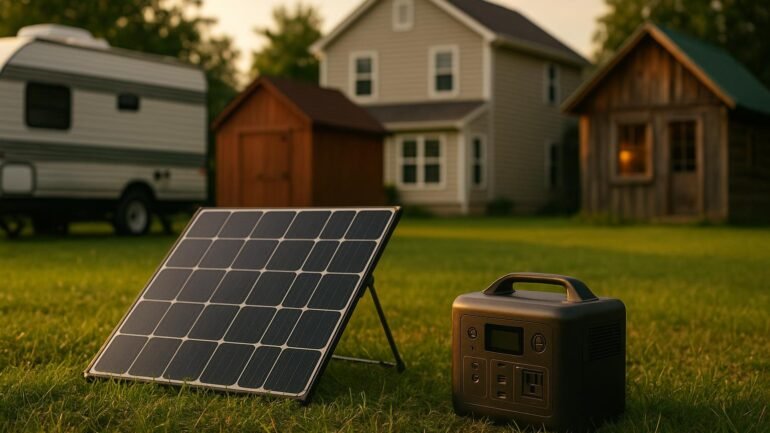
Backup power is personal. Four real households prove that a start-small approach to solar and battery storage can deliver practical, reliable energy where you live, work, or travel. This post follows their journeys from initial idea to installation and real-world testing. You’ll see fresh angles for apartments, sheds, RVs, and tiny cabins, with honest costs, stubborn hurdles, and practical tips you can apply to your own DIY solar project.
Case Study 1: Start-Small on a Balcony
What they bought
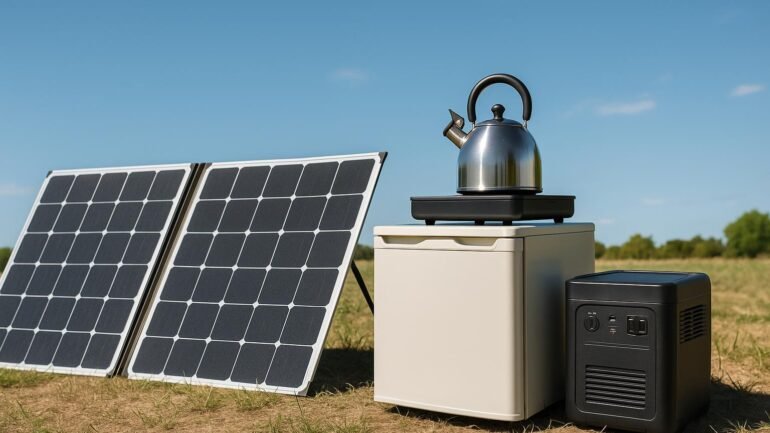
- 200W portable solar panel that can be deployed on a balcony railing or lean-to
- 1,000 Wh LiFePO4 battery pack for safe, thermally stable storage
- 600 W pure sine inverter for sensitive electronics and small appliances
- MPPT charge controller to maximize energy harvest in variable sun
- Basic wiring, fusing, and a compact display for monitoring
Setup and costs
The kit fits in a small tote and mounts with a tilting balcony stand. Total outlay for the starter system sits in the $600–$1,000 range, depending on battery size and whether you already own a suitable inverter. The goal was to cover essential loads: LED lighting, a laptop, phone charging, a small fan, and a compact fridge under modest solar input.
Performance and hurdles
In sunny days, this setup produced roughly 1.2–1.8 kWh per day. Short outages or cloudy midday periods were managed by the battery bank, avoiding drain on the grid. Hurdles included occasional shade from nearby structures, wind exposure on the balcony, and the need to keep components cool in direct sun. The project highlighted how even a tiny, well-chosen system can deliver reliable backup for daily essentials.
Case Study 2: Shed Strength: A Steady Backup
What they bought
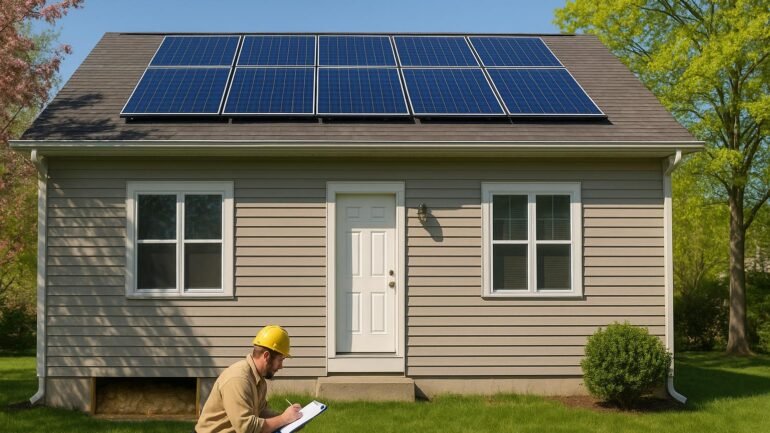
- 600–900W fixed solar array mounted on a shed roof
- 4–6 kWh LiFePO4 battery bank for scalable storage
- 3–4 kW inverter with a dedicated feed for the shed circuits
- 48V system configuration for improved efficiency on longer runs
- Hybrid inverter/charger to allow grid charging and backup power
Setup and costs
Wiring ran from the roof-mounted array to a compact indoor cabinet, with a separate battery room to manage heat and ventilation. This setup typically lands in the $2,000–$4,500 range, depending on battery chemistry, panels, and whether a professional install is used for safety or permit reasons. The shed hosts a small fridge, workshop tools, lighting, and a wireless network booster, all powered during outages or low-grid hours.
Performance and hurdles
With steady sun, the system could keep a fridge running, power lighting, and operate a battery charger and small tool drills. The biggest challenges were routing power to the main house without long, lossy runs and ensuring the system could handle a periodic grid outage in winter. The owner learned the importance of a well-planned DC bus, proper fusing, and a simple monitoring screen to track battery health and daily yield.
Case Study 3: On the Road: RV Solar Kit
Lifestyle fit and system specs
- 350–520W on-roof solar panel array designed for curved trailer surfaces
- 2–3 kWh LiFePO4 battery bank for daily driving and camping needs
- 3,000W pure sine inverter with multiple AC outlets
- Compact charge controller optimized for mobile installations
- Lightweight mounting and weatherproof cabling
Costs and daily use
RV folks typically budget $1,200–$2,500 for a midrange kit, depending on battery size and whether solar panels are pre-wired for the trailer. In daily use, this setup covered evening lighting, smartphone charging, a laptop, and a small fridge during a weekend trip or month-long road excursion. The main tradeoffs were weight, roof clearance, and wind drag, so careful mounting and secure wiring was essential. A robust monitoring app helped track panel performance and battery state of charge on the road.
Case Study 4: Tiny Cabin: Grid Backup with a Backup Battery
System blueprint
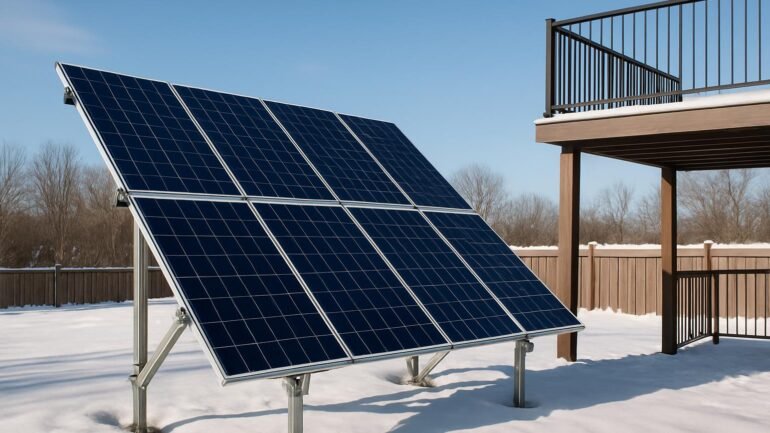
- 1,000–2,000W roof array to meet modest daytime loads
- 6–8 kWh battery bank for overnight power and cloudy-day resilience
- Hybrid inverter and charger to work with grid power while providing a reliable backup
- Energy monitoring and safety devices for code compliance
Integration, costs, and lessons
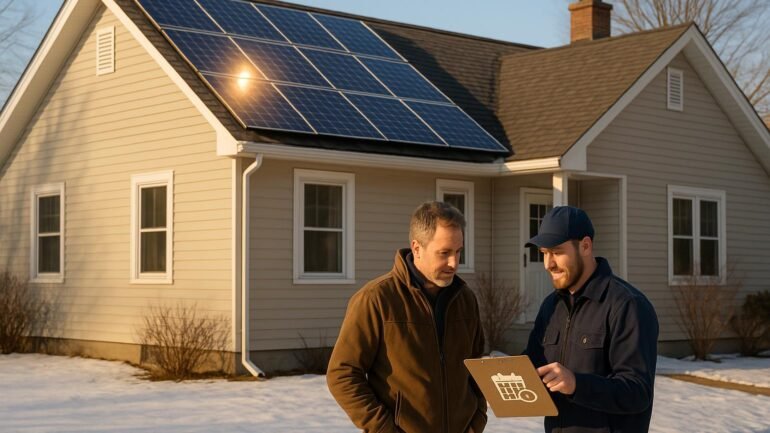
This configuration aimed to reduce grid dependence while preserving the option to remain connected. A cost range of $3,000–$6,000 covered higher panel counts, larger batteries, and the necessary control hardware. Real-world testing showed the system comfortably running lighting, a small water heater, a fridge, and essential outlets during outages. The biggest learning was the value of proper enclosure ventilation and fuse placement to prevent heat buildup in the battery area.
Getting the Most from Your DIY Solar and Battery
Sizing and budgeting
Start with a clear energy budget. List daily loads and estimate how many sun hours you can expect in your location. Build up from a small core that handles your must-haves, then expand with modules as needed. In most cases, you can double or triple capacity over a few seasons without a complete system rewrite.
Choosing components
Prioritize LiFePO4 batteries for safety and longevity, MPPT controllers for higher efficiency in variable light, and a reliable inverter sized to your peak loads with a comfortable margin. A modular approach—starter battery and panel kit plus an upgrade path—makes upgrades straightforward and affordable.
Safety, permits, and testing
Check local codes and any required permits, especially for grid-tied or hybrid systems. Use proper fusing, fire-rated enclosures, and ventilation for battery banks. Before major outages or winter seasons, perform a full system test under load to confirm performance and identify any weak links.
Key Takeaways
- Start small and scale up gradually to match energy use and budget.
- Match panel capacity to realistic daily loads to avoid under- or over-sizing.
- Choose LiFePO4 batteries for safety, longevity, and robust performance in DIY builds.
- Plan for expansion with modular components and clear wiring paths.
- Document tests, monitor battery health, and stay compliant with local codes.
Conclusion
Four homes, four different backup paths, all built with a start-small mindset. Whether you live in an apartment, a shed, a mobile RV, or a tiny cabin, a thoughtful solar and battery setup can bring peace of mind and real resilience. Use these case study lessons to size your system, pick proven components, and test early and often. With careful planning and steady expansion, you can design a DIY solar backup that fits your life, budget, and climate.