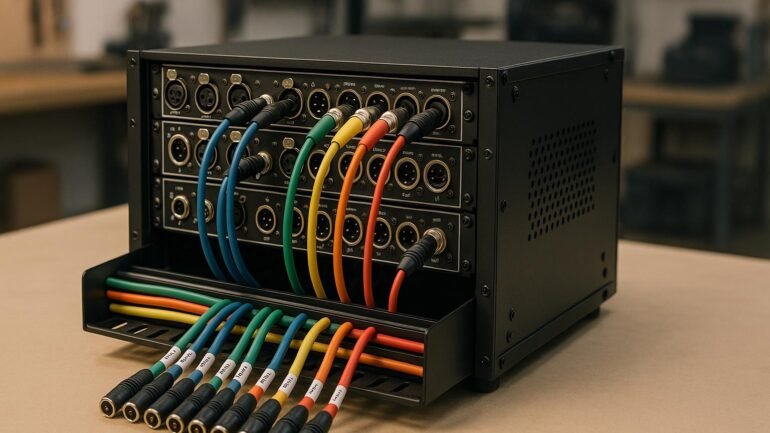
Introduction: Why clean wiring matters for small systems
In compact installations, wiring is more than a behind-the-scenes detail—it signals professionalism, safety, and longevity. Clean wiring for small systems reduces clutter, speeds troubleshooting, and minimizes risk. Whether you build a compact home media rack, a small audio visual setup, or a micro system backbone, tidy cabling makes expansion predictable and maintenance straightforward.
This guide shows how to design and implement clean wiring without compromising safety. You’ll learn visual cues like color coding and neat routing, safety practices aligned with codes, space efficient layouts, and maintenance friendly habits that keep cables dependable for years.
Aesthetics-first wiring: visual design tips for clean runs
Color coding, wire labeling, and clean routing
Effective visuals support operation and maintenance. Apply these practices during design:
- Color coding: assign a scheme for power, data, and signaling. For example, red for power, blue for data, green for grounding. Within each category, keep sub categories consistent
- Labeling: tag every end and junction with durable text that survives heat and aging
- Routing: route along edges or in dedicated channels. Use ducts or clips to secure straight runs and avoid crossing power and signal lines where possible
- Hardware choices: invest in reliable clamps, ties, and raceways rated for the environment
- Documentation: accompany wiring with simple diagrams or layout sketches for quick reference
Selecting cable trays, conduit, and mounting hardware that look neat
Choose routing hardware that keeps cables aligned and accessible. Consider:
- Cable trays or raceways for straight, organized runs
- Conduit with clean bends and labeled fittings
- Mounting hardware rated for your environment and load
- Regular spacing and entry points to prevent tangling
Safety foundations: codes, grounding, and protection
Essential codes and standards for small installations
Safety matters in every installation. Align with local rules and general electrical best practices. Key points include separation of power and low-voltage lines where feasible, proper strain relief, secure terminations, and accessible panels.
Safe cable routing, strain relief, and overcurrent protection
- Use strain relief at enclosures and panels to prevent connector damage
- Terminate conductors securely with appropriately rated terminals
- Provide overcurrent protection with fuses or breakers sized to the circuit
Practical layouts and space optimization
Planning your layout with diagrams and scale
Space constraints benefit from a clear plan. Start with a central spine or backbone, then branch out with short, organized runs. Create simple diagrams to guide assembly.
Modular design for future upgrades
Design in modular blocks and leave space for growth. Use unified terminal blocks, detachable modules, and labeled channels to ease future expansion without rewiring.
Tools, materials, and techniques for durable clean wiring
Connectors, heat shrink tubing, labeling strategies
Choose reliable connectors, shrink tubes, and durable labels. Use heat shrink with exposed adhesive to seal and label at the same time.
Documentation and labeling conventions
Maintain a one-page diagram, consistent label formats, and a change log. Document every modification to simplify troubleshooting and upgrades.
Maintenance and upgrade cycle
Regular inspections and refresh tips
Schedule routine checks for loose ties, damaged jackets, and misrouted cables. Refresh labels and diagrams when changes occur.
Quick-start checklist for clean wiring
- Define a color-coding scheme for power, data, and control
- Sketch a layout with a central spine and planned branches
- Choose routing methods suited to your space
- Label every end and junction with durable tags
- Apply strain relief at enclosure entries
- Separate power and data runs to minimize interference
- Route cables along edges and corners for neat lines
- Keep spare lengths neatly stored
- Attach a one-page wiring schematic near the installation
- Schedule annual maintenance and update documentation