Charge controllers serve as the brain of your RV solar system, regulating power flow from panels to batteries. Choosing between MPPT and PWM technologies affects your system’s efficiency, cost, and performance. Understanding these differences helps you make the right decision for your RV’s power needs. Let’s explore both options to find your perfect match.
Understanding PWM Charge Controllers
Pulse Width Modulation (PWM) controllers represent the simpler, more affordable option for RV solar systems. These units work by rapidly switching the connection between solar panels and batteries on and off. This switching action maintains proper battery voltage while preventing overcharging. PWM controllers essentially “pull down” the panel voltage to match battery voltage.
The main advantage of PWM technology lies in its cost-effectiveness and reliability. These controllers typically cost 50-70% less than comparable MPPT units. They also feature fewer electronic components, making them less prone to failure. Many RV owners appreciate their straightforward installation process and minimal maintenance requirements.
However, PWM controllers have significant efficiency limitations, especially with modern solar panels. They can only utilize power when panel voltage matches battery voltage. This means you’ll lose potential energy during peak sun hours. The efficiency gap becomes more pronounced with higher-voltage panels and varying weather conditions.
MPPT Technology Advantages
Maximum Power Point Tracking (MPPT) controllers use sophisticated algorithms to extract maximum power from solar panels. These charge controllers continuously adjust their input to find the optimal voltage and current combination. They then convert this power to the appropriate voltage for battery charging. This process typically increases energy harvest by 15-30% compared to PWM systems.
MPPT controllers excel in variable conditions where PWM units struggle. They maintain efficiency during partial shading, temperature fluctuations, and morning/evening hours. Additionally, they allow greater flexibility in panel selection and system design. You can use higher-voltage panels and wire them in series for better performance.
The investment in MPPT technology pays dividends through increased energy production and system flexibility. These controllers also provide better monitoring capabilities and programmable settings. Many models offer smartphone connectivity and detailed performance data. For serious RV solar users, these features prove invaluable for system optimization.
Efficiency Comparison in Real-World Conditions
Laboratory efficiency ratings don’t always translate to real-world performance differences. Environmental factors significantly impact how charge controllers perform in actual RV installations. Temperature variations, shading patterns, and panel orientation all influence the efficiency gap between MPPT and PWM technologies.
In ideal conditions with perfectly matched components, PWM controllers can achieve 75-80% efficiency. However, real-world efficiency often drops to 60-70% due to voltage mismatches. MPPT controllers consistently maintain 85-95% efficiency regardless of conditions. This difference becomes more significant as system size increases and power demands grow.
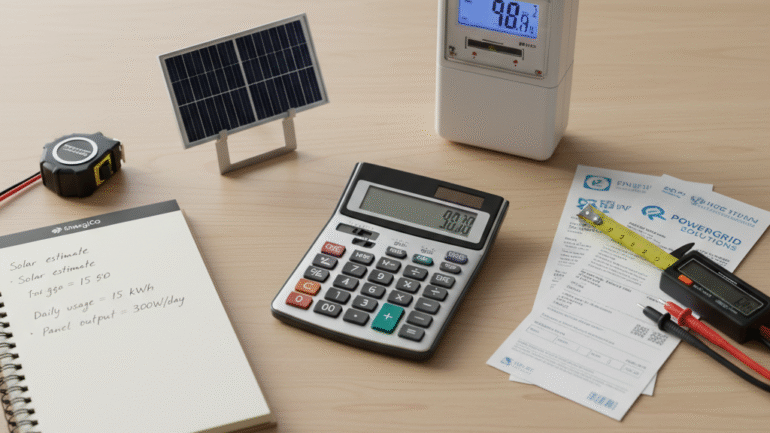
Consider a 400-watt RV solar array during a typical sunny day. A PWM controller might harvest 250-280 watt-hours of usable power. The same system with an MPPT controller could generate 340-380 watt-hours. Over time, this 25-35% difference substantially impacts your battery charging and available power. Your Personal Solar Load Map can help calculate whether this efficiency gain justifies the additional cost.
Cost Analysis and Budget Considerations
Initial controller cost represents just one factor in your total system investment. PWM controllers typically range from $30-100 for RV-appropriate sizes. Comparable MPPT units cost $150-400 depending on features and capacity. This 3-5x price difference initially favors PWM technology for budget-conscious buyers.
However, total system costs tell a different story when efficiency differences are considered. To achieve equivalent power output, PWM systems require larger panel arrays. You’ll need approximately 30% more panels to match MPPT system performance. This increases costs for panels, mounting hardware, and installation complexity.
Long-term value calculations often favor MPPT controllers despite higher upfront costs. The improved efficiency reduces payback periods and increases system ROI. Additionally, MPPT controllers typically offer longer warranties and better reliability records. Many units include advanced features that eliminate the need for separate monitoring equipment.
Installation Requirements and Complexity
PWM controllers offer simpler installation procedures that appeal to DIY RV solar enthusiasts. Basic wiring connects panels, batteries, and loads without complex programming. Most units feature straightforward terminal connections and minimal configuration options. This simplicity reduces installation time and potential error points.
MPPT controllers require more careful attention to system design and installation details. Proper sizing becomes critical as these units can handle higher input voltages. You’ll need to consider panel string configurations and voltage compatibility. However, this complexity enables greater design flexibility and optimization opportunities.
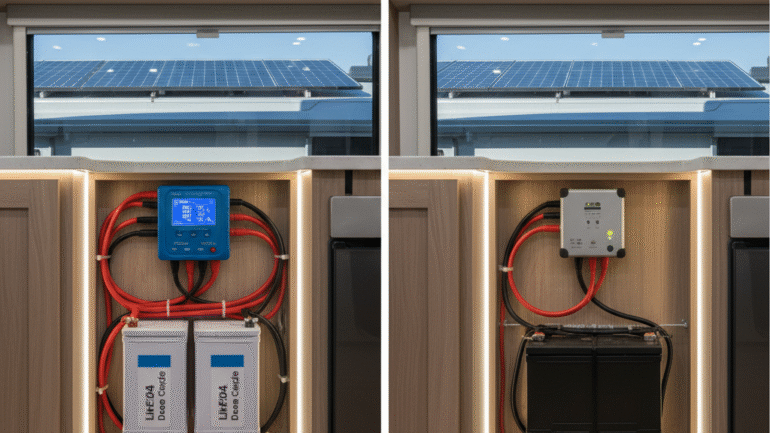
Both controller types require similar safety considerations and basic electrical knowledge. Proper fusing, grounding, and wire sizing remain essential regardless of technology choice. Designer’s Guide to Clean Wiring provides detailed guidance for professional-looking installations that prioritize safety and functionality.
Choosing the Right Controller for Your RV
System size significantly influences the optimal controller choice for RV applications. Small systems under 200 watts often work adequately with quality PWM controllers. The efficiency gains from MPPT technology may not justify the additional cost. Budget-focused installations can achieve satisfactory results with properly matched PWM units.
Medium to large systems over 300 watts benefit substantially from MPPT technology. The efficiency improvements generate meaningful additional power for RV operations. These systems also tend to use higher-voltage panels where MPPT advantages become more pronounced. Consider your current needs plus reasonable expansion plans when making this decision.
Power usage patterns also influence controller selection beyond simple system size. Frequent boondocking and high-demand applications favor MPPT efficiency gains. Occasional weekend camping with minimal power needs may work fine with PWM technology. Efficiency First: Cutting Your Solar Needs Before You Buy helps optimize your power requirements before sizing your charging system.
Future-Proofing Your RV Solar Investment
Consider expansion possibilities when selecting charge controllers for your RV solar system. Starting with an oversized MPPT controller allows easy system growth without replacing major components. Many RV owners begin with modest systems and expand as experience and needs grow. Planning ahead prevents costly component replacements.
Technology advancement favors MPPT controllers for long-term viability and support. Manufacturers continue improving MPPT algorithms and features while PWM development has largely plateaued. Software updates and connectivity options provide ongoing value enhancement. These factors contribute to better resale value and longer useful system life.
Battery technology compatibility also influences controller selection for forward-looking RV owners. Lithium batteries increasingly require precise charging profiles that MPPT controllers handle better. Advanced battery management features integrate more seamlessly with MPPT technology. This compatibility becomes increasingly important as lithium costs continue declining.