Power Budgeting for an Off-Grid Weekend Kitchen: A Case Study in Appliance Selection and Sizing
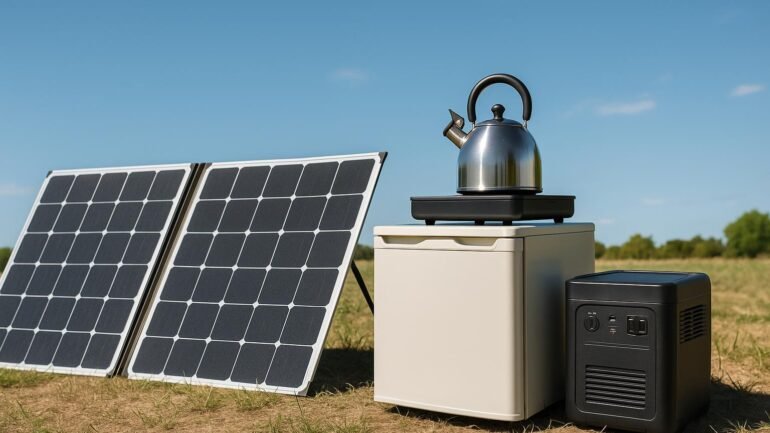
This data‑driven case study walks through planning a compact off‑grid weekend kitchen. We focus on defining realistic loads, budgeting energy, and sizing a solar–battery–inverter system that can handle weekend trips or tiny living setups in summer conditions. The goal is to provide actionable steps readers can apply to select appliances, estimate draw, and optimize performance without oversizing or overspending.
Case Study Overview: Off-Grid Weekend Kitchen Goals
- Deliver reliable power for basic cooking, refrigeration, lighting, and device charging during weekend stays.
- Define a practical load profile and a conservative energy budget that accounts for real‑world constraints (heat, shading, and variable sun).
- Demonstrate system sizing for a small solar array, a capable battery bank, and an appropriate inverter, with attention to efficiency and management.
- Highlight adjustments needed for summer conditions, including fridge efficiency and peak sun hours.
Defining the Load: Appliances, Usage Patterns, and Energy Budget
Appliance List and Estimated Draw
(energy‑efficient, ~50 W running; ~40–60 W surge). Estimated daily energy: about 0.5–0.6 kWh depending on ambient temperature and duty cycle. (total ~20–40 W; used during evenings). Estimated daily energy: ~0.05–0.15 kWh. (coffee maker ~900 W; kettle ~1500 W). Estimated daily energy: ~0.1–0.2 kWh combined when used for heating beverages. (induction cooktop ~900–1200 W; occasional use of a portable induction plate). Estimated daily energy: ~0.5–1.0 kWh depending on meals prepared. (blender, mixer, USB charging, etc.). Estimated daily energy: ~0.05–0.15 kWh.
Estimated daily energy for a typical weekend kitchen setup: approximately 1.0–2.0 kWh/day, with higher use on days when cooking is heavy or heat loads drive more fridge cycling. We’ll use a representative target of about 1.5–2.0 kWh/day to illustrate sizing and budgeting. Plan for energy losses in cabling, inverter, and controller by applying a 10–20% buffer.
Daily and Weekend Load Scenarios
: fridge running steadily, lighting for ~4 hours, coffee/kettle in morning, and a couple of meals cooked with an induction plate. Estimated energy: ~1.6–1.9 kWh. : same daily pattern plus one extra cooking session per day and extended lighting. Estimated energy: ~3.2–3.8 kWh for the two days combined, before system losses.
These figures are for planning and will vary with appliance efficiency, usage habits, and climate. The key is to size for peak demand plus a safe margin for cloudy days and DoD (depth of discharge) limits.
Sizing the System
Solar Array
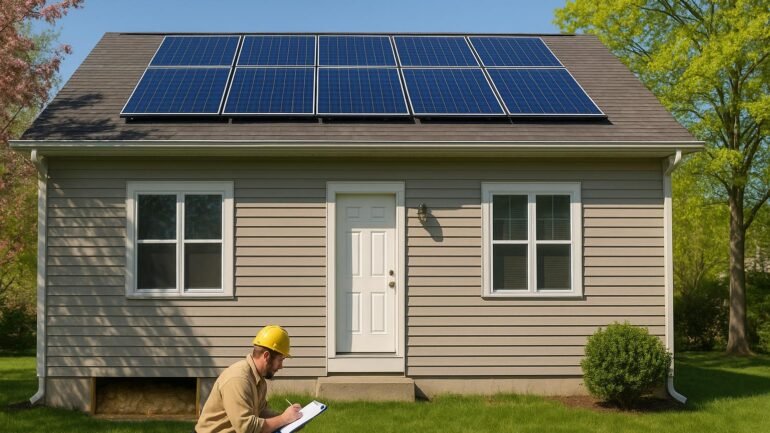
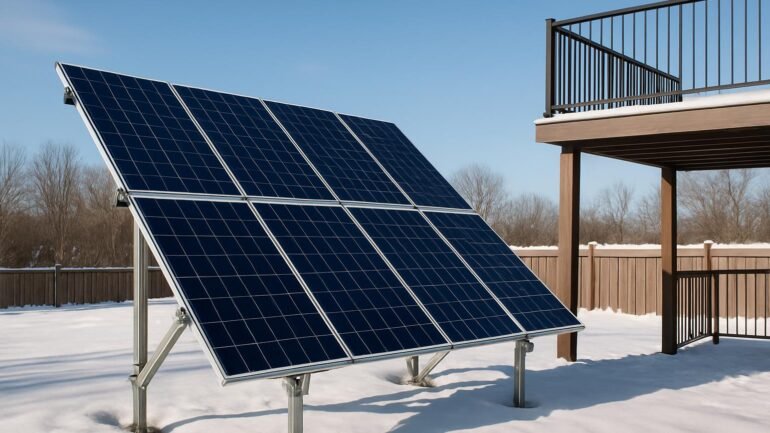
Size the array to cover daily consumption with a healthy margin for days with reduced sun. A practical approach is to target 1.5–2x the daily energy need, accounting for deratings, controller efficiency, and inverter losses. For a typical 1.6–2.0 kWh/day load, a 3–4 kW solar array in summer can deliver comfortable production in peak sun. In smaller setups, a 1.5–2 kW array paired with efficient appliances may still meet daily needs if usage is managed and daylight hours are long.
Battery Bank and Inverter Sizing
Battery capacity should be sized to store enough energy for 1–2 days of use with a safe DoD (commonly 50–80% depending on chemistry). For our 2‑day scenario with ~3.0–3.8 kWh of total energy, a 6–8 kWh usable capacity (e.g., 10–12 kWh nominal with 50–60% DoD) provides a robust buffer against cloudy periods and peak cooking loads. Inverter sizing must cover peak simultaneous loads (e.g., fridge startup, kettle, or induction plates). If you expect up to ~1.2–1.5 kW surges, choose an inverter rated for at least 2 kW continuous with higher surge capacity (2–3 kW) to handle startup spikes smoothly.
Charge Controller and System Efficiency
Choose a high‑quality MPPT charge controller to maximize harvest, particularly when panels are not perfectly aligned. Assume overall system efficiency (controller, wiring, inverter) in the 85–92% range so you size the array to meet delivered energy after losses. Use high‑quality cabling and consider short, thick runs to minimize line losses.
Real-World Performance and Adjustments
Expect real‑world performance to differ from estimates. Track daily energy production and consumption, then adjust. Practical tips include:
- Stagger high‑draw moments (e.g., avoid running the induction plate and fridge at the same time when battery state is tight).
- Pre-cool or pre-chill items during peak sun and store in the fridge to reduce cycling later.
- Use energy‑efficient appliances and LED lighting to shrink energy needs.
- Monitor DoD and battery temperature; summer heat can reduce battery efficiency and capacity.
Summer-Specific Considerations
Heat Load and Fridge Efficiency
Hot ambient temperatures increase fridge power draw. Place the unit in shade or well‑ventilated spots, ensure proper airflow around the condenser, and consider a thermal barrier to reduce heat ingress. A well‑insulated fridge in summer can reduce energy use by 20–40% compared with a poorly insulated unit.
Peak Sun Hours and Battery Runtime Adjustments
Peak sun hours vary by latitude and season. In summer, you may have longer daylight, but midday heat can affect panel performance. Use a controller with MPPT to extract maximum energy during high irradiance, and plan for runtime adjustments if battery state is low or if extended overcast spells occur. If you anticipate multiple cloudy days, size the battery bank to sustain essential loads for 2–3 days without full sun.
Putting It All Together: A Practical Action Plan
- List appliances with rated watts and intended daily usage, then convert to daily energy (Wh).
- Sum daily energy, add a 20–30% cushion for losses and variability.
- Choose a solar array with daily production that exceeds the budget by a comfortable margin, especially in summer.
- Size the battery bank for at least 1–2 days of autonomy at the target DoD, with a margin for capacity fade.
- Select an inverter that can comfortably handle startup surges and full kitchen loads.
- Incorporate monitoring to track actual vs. estimated usage and adjust habits accordingly.
By following these steps, readers can optimize “off-grid weekend kitchen” operations, balancing the desire for comfort with the realities of solar power for small appliances. The core ideas—clear loads, prudent budgeting, and properly sized components—apply to both weekend trips and tiny living setups.