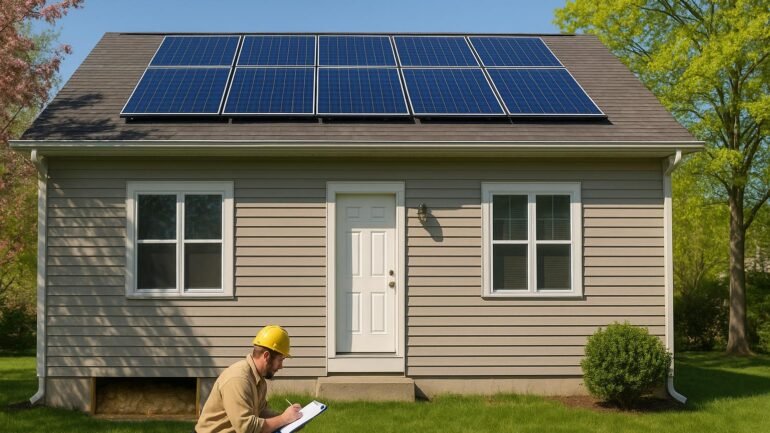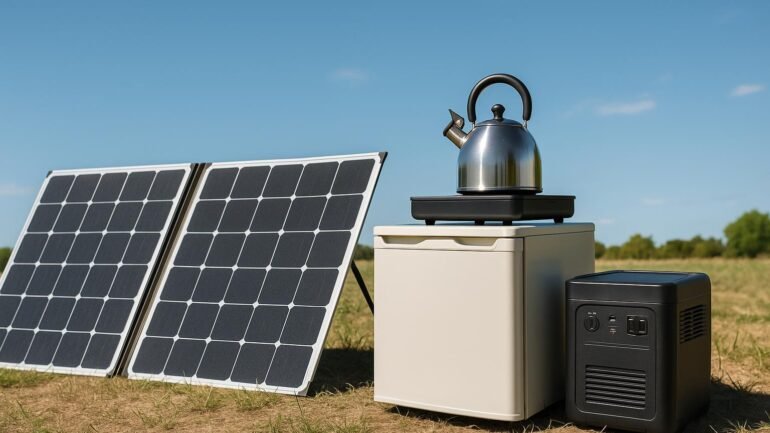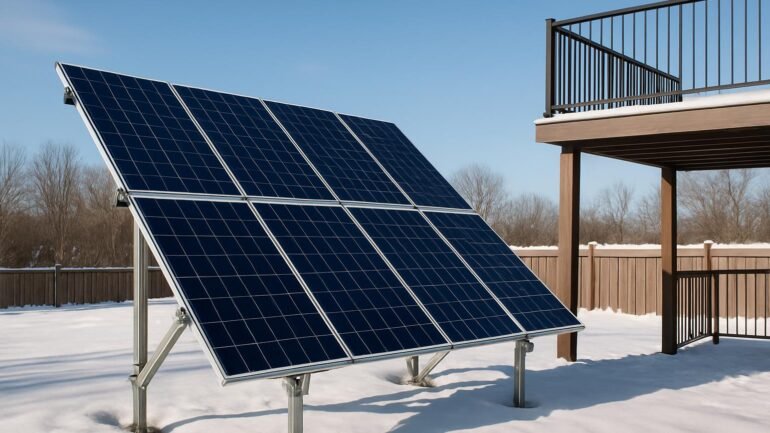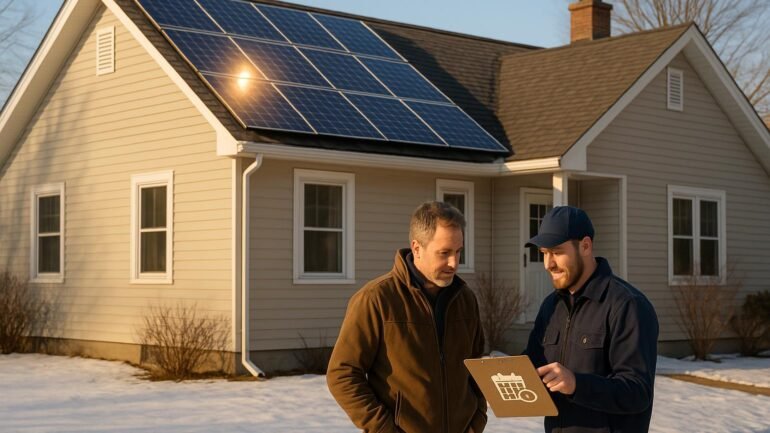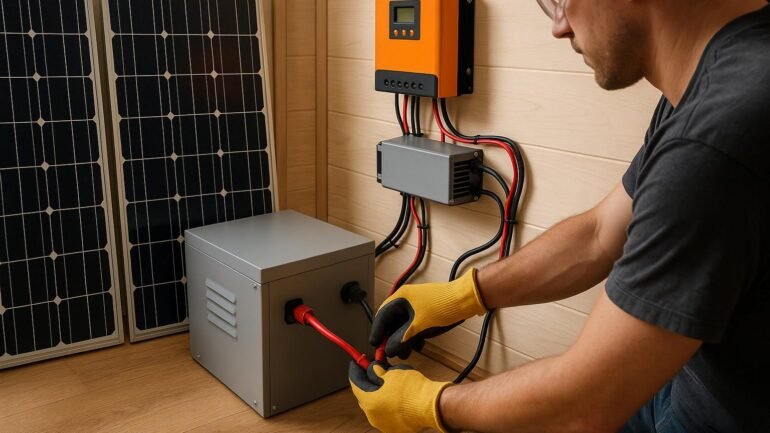
The 48-Hour Solar Playbook: Overview, goals, and how this guide helps you
Welcome to a practical, hands-on blueprint for building a compact solar backup in a single weekend. This guide is tailored for DIY homeowners and RV enthusiasts who want reliable power without a big budget or lengthy install. You’ll learn how to size, assemble, and validate a tiny solar backup system that keeps essential loads powered when the grid is unavailable or you’re off-grid.
Why a tiny solar backup makes sense for home and RV
- Keeps critical devices powered during outages or remote camping trips.
- Starts small and scales later as needs grow.
- Leans on economical, common components to keep costs low.
- Quieter and cleaner than portable generators, with fewer moving parts to maintain.
With a weekend-focused plan, you’ll build a compact, dependable power source you can rely on for days, not hours. The emphasis on practical sizing, safe wiring, and a repeatable validation routine makes this approach approachable for beginners while staying robust for seasoned DIYers.
What you’ll achieve in a 48-hour weekend
- A clearly sized system tailored to your essential loads.
- A ready-to-run backup pack you can deploy in minutes.
- A documented charging and discharging routine you can repeat confidently.
- A safety checklist and maintenance plan to keep the system reliable.
- Hands-on experience with affordable components and straightforward wiring practices.
The goal isn’t to power every device endlessly, but to keep essentials—lights, refrigeration for a short period, device charging, and a modem or heater fan—available when you need them most. This is the essence of a tiny solar backup system: practical, affordable resilience in a compact package.
Safety and planning basics
- Work in a dry, ventilated area and avoid standing water near electrical gear.
- Use appropriate personal protective equipment and follow manufacturer instructions for all components.
- Isolate the system from the main grid before wiring; label disconnects clearly.
- Incorporate fuses, circuit breakers, and proper gauge wiring to handle expected currents.
- Respect battery safety: never short terminals, handle with care, and store away from heat sources.
- Keep a simple wiring diagram on file for future tweaks or troubleshooting.
These basics help you prevent common DIY mistakes and set a solid foundation for the rest of the build.
Core components at a glance
- Solar panel(s): a small roof- or portable panel(s) that fit your space and budget.
- Charge controller (MPPT preferred): optimizes energy capture from the panel to the battery.
- Battery bank: a compact option such as LiFePO4 for longevity and safety, or AGM lead-acid if you’re budget-focused.
- Inverter (pure sine wave, 300–1000W): powers sensitive electronics and appliances without distortion.
- Cabling, connectors, fuses, and a simple distribution plan (bus bars or a fuse block).
- Battery monitor or basic voltage/current display to track health in real time.
- Enclosure or shelving to keep wiring neat and components protected.
Choosing economical, readily available components helps you stay within budget while keeping the project approachable for a weekend build.
The step-by-step weekend blueprint
The plan is designed to be repeatable and forgiving. You’ll work in two focused days, with clear milestones and built-in validation steps.
Day 1 — Plan and Size
- Define essential loads and estimate daily energy needs in watt-hours.
- Size panel wattage, battery capacity, and inverter rating using practical guidelines.
- Gather components, tools, and safety gear. Double-check compatibility (voltage, connectors, fuses).
- Plan the physical layout: panels mounted or staged, battery in a vented enclosure, controller mounted, inverter placed for cooling.
- Wiring planning: route main DC wiring with correct gauge; connect controller to battery per manufacturer diagram.
- Install a primary safety disconnect and fuse block between battery, controller, and inverter.
Day 2 — Build, wire, test, and validate
- Complete wiring: panel to controller, controller to battery, battery to inverter, with monitoring in view.
- Power up and confirm indicators show a healthy state.
- Run a controlled load test with essential devices to verify operation under real-world conditions.
- Perform a brief solar-generation test outdoors (or near a bright window) to confirm charging behavior.
- Document voltages, currents, and runtime for a simple as-built reference.
- Refine wiring or controller settings if measurements drift, then re-test.
Validation and troubleshooting checklist
- Safety check: all covers in place, no exposed conductors, and disconnects clearly labeled.
- Open-circuit voltage test: verify panel voltage without load to catch wiring faults.
- Battery health: resting voltage, temperature during charging, and any signs of swelling.
- Charge controller status: indicators showing charging activity and correct battery voltage.
- Inverter test: run a small load (lights, USB charger) and ensure clean power without overheating.
- Runtime estimation: compare expected vs actual runtime with your measured load.
- Weather tolerance: plan for seasonal sun variation and aim for several hours of strong sun daily.
- Maintenance plan: quarterly inspections, panel cleaning, and fuses/mounts checks.
Budget and sourcing tips
- Shop smart: look for discounted panels, refurbished controllers, or lightly used batteries from reputable sellers.
- Prioritize a reliable MPPT controller to maximize energy capture in mixed conditions.
- Choose battery type based on budget and maintenance tolerance: LiFePO4 for longevity; AGM or flooded lead-acid as budget-friendly options.
- Inverters: a 300–500W pure sine wave unit is typically enough for essential loads in a tiny solar backup system.
- Reuse components where possible, but don’t cut corners on safety-critical parts like fuses, wiring, and enclosures.
Quick-start sizing guide
Use this practical method to size a weekend-ready system without getting overwhelmed by numbers.
- List essential loads and their power in watts; estimate hours per day for each.
- Calculate daily energy need: sum of watts × hours (Wh/day).
- Estimate location sun hours per day (typical 4–6 hours; adjust for season/shading).
- Size inverter with headroom for surge and peak loads (20–30% above max continuous draw).
- Panel wattage: select panels that meet or exceed daily energy needs when multiplied by sun hours and controller efficiency.
- Battery capacity: consider DoD (50% for lead-acid; 80–90% for LiFePO4).
Example: If essential loads total 400 Wh/day, with 4 sun hours/day, and a 12V LiFePO4 system at 80% DoD, you’d need about 400 / (12 × 0.8) ≈ 42 Ah. Plan for 50–60 Ah to add margin. Pair with a 100–150W panel and a 300–500W inverter for a compact, weekend-ready setup.
What to do after the weekend
- Document your build: photos, wiring diagram, measurements for future repairs.
- Maintain a simple log: check connections, port cleanliness, and firmware updates for the controller.
- Consider modest expansions: add a second panel, larger battery, or higher-capacity inverter if needed.
- Store components properly: cool, vented battery storage; protect cables during travel.
- Share your experience: write a quick recap to help others adopt this practical tiny solar backup approach.
By following this 48-hour playbook, you’ll gain confidence in building and validating a compact solar backup that works for home and RV use. You’ll also have a repeatable method you can adapt as needs evolve, keeping energy independence within reach without breaking the bank.