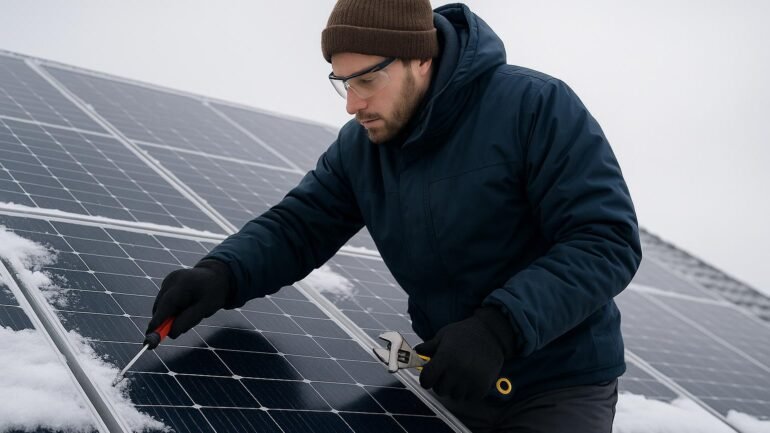
Why solar safety matters for DIYers
Winter adds risk for homeowners and hobbyists who install or maintain home solar systems. Shocks, shorts, and fires can result from moisture, cold-induced brittleness, or wiring mistakes. Prioritizing safety protects people and property and helps your solar investment run reliably year-round. This guide focuses on practical, safety-first steps for DIY solar safety and highlights when to call a licensed electrician.
Winter-ready safety checks
Visual inspection of panels, mounting, and shading for snow and ice
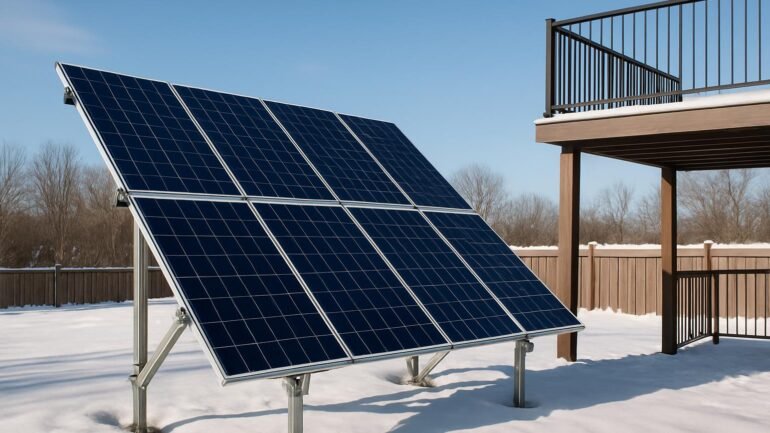
- Look for cracked glass, loose mounting rails, or debris. Snow and ice can add weight and create shading that reduces output.
- Clear loose snow with a non-metal tool; avoid climbing on icy surfaces.
- Check shading from trees or nearby structures after storms; winter sun angles can increase shading risk.
Inspect wiring, connectors, and conduit for cold-weather wear
- Inspect exposed conductors for cracking, fraying, or insulation damage. Cold makes plastics brittle.
- Check connectors and fittings for corrosion, moisture, or loose contacts. Tighten per manufacturer specs; use dielectric grease if recommended.
- Ensure conduit is intact and free of cracks; winter wind-driven debris can damage edges.
Check enclosures, junction boxes, and moisture ingress in winter
- Open enclosures for signs of moisture, condensation, or frost; reseal with weatherproof gaskets if needed.
- Ensure seals, grommets, and knockouts are intact to prevent water ingress.
Verify grounding, DC/AC disconnects, and overcurrent protections
- Confirm proper grounding of metal frames and racking; verify continuity to the main service panel.
- Test DC and AC disconnects to ensure they fully isolate the system; check for ease of operation with gloves on.
- Inspect overcurrent protection devices (fuses, breakers) for signs of wear. Replace damaged devices with compatible parts.
Weatherproofing, insulation, and ice-melt risk mitigation
- Seal any gaps around inverters and combiner boxes; use weatherproof covers as needed.
- Protect exposed wiring from temperature swings; use rated insulation and grommets.
- Be mindful of ice-melt products near panels and wiring; ensure they don’t corrode or create conductive paths.
Battery safety and safe charging in cold temperatures (if applicable)
- Check battery housings for corrosion, venting, and secure mounting. Cold can reduce capacity and increase risk of sulfation for lead-acid, or reduced Li-ion performance.
- Ensure battery temperature is within recommended range for charging; avoid charging frozen batteries.
- Follow manufacturer guidance on charging current and termination conditions in winter.
Fire prevention measures and smoke/heat alarms
- Verify smoke and heat alarms in the area where the solar components are installed and in living spaces.
- Keep a clear space around inverters and electrical equipment; do not store flammable materials nearby.
- Have a fire extinguisher rated for electrical fires accessible and know how to use it.
Safe work practices and PPE
Lockout/Tagout basics and power-off procedures
- Turn off the solar array at the DC disconnect first, then the AC disconnect at the service panel, before touching anything.
- Lockout/Tagout devices prevent accidental re-energization; verify with a voltage tester before starting work.
- Work only in dry conditions; avoid standing in snow or wet surfaces while handling electrical components.
PPE essentials for DIY solar work
- Wear insulated gloves, eye protection, and non-slip footwear; use a voltage-rated tester to confirm de-energization.
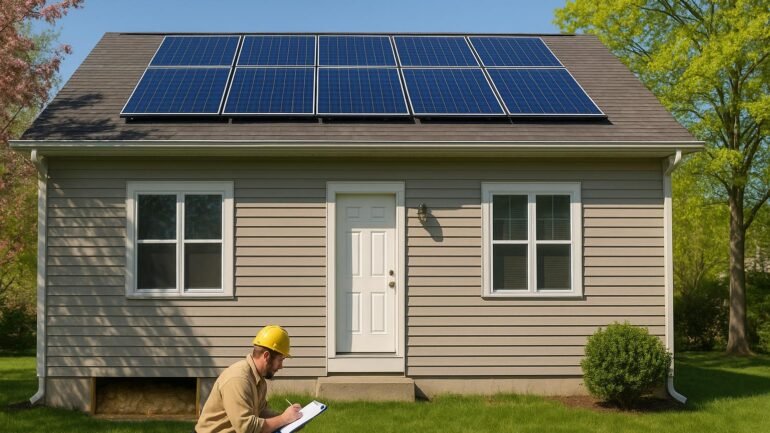
- Use flame-resistant clothing and hard hat if working on rooftop installations; harness and fall protection when elevated.
- Keep hands dry and tools with insulated handles; store tools in a dry, organized space.
When to call a licensed electrician
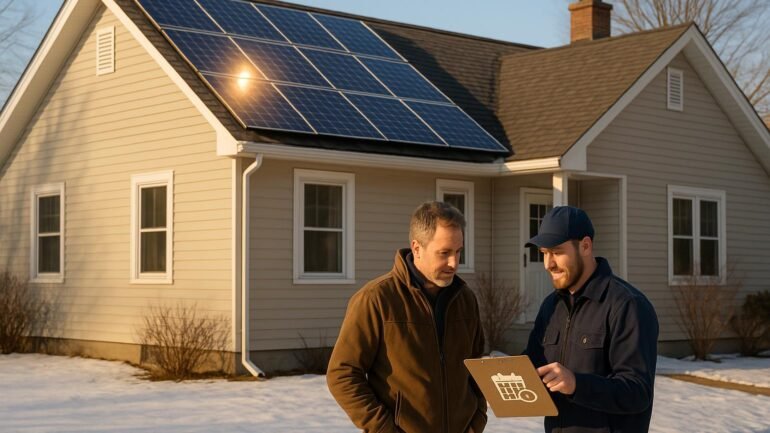
If you observe burning smells, arcing, melted insulation, buzzing from connections, or if you are unsure about wiring integrity, stop work and contact a licensed electrician. Complex DC wiring or modifications beyond manufacturer guidance should be handled by pros to preserve safety and warranty.
Quick-start printable safety checklist
- Turn off the DC disconnect, then the AC disconnect; verify no voltage with a tester.
- Inspect panels and wiring for damage; clear snow around the panels safely.
- Inspect enclosures for moisture and ensure weatherproofing seals intact.
- Check grounding and disconnects for proper operation.
- Wear PPE: gloves, eye protection, non-slip footwear; ensure fall protection if on roof.
- Keep a fire extinguisher accessible; ensure alarms are functional.
- Document any issues and call a licensed electrician if repairs exceed your scope.